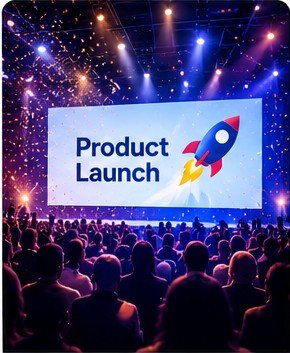
A launch event is your chance to introduce your brand to the world in a memorable way. Done well, it generates media coverage, social buzz, customer interest and business relationships. Done poorly, it becomes an expensive evening that nobody remembers.
This guide walks you through the planning process, from first idea to follow-up.
Step 1: Define the Purpose
Be clear about why you are holding the event. Typical goals include:
Introducing a new product or service
Announcing a rebrand or new store
Building relationships with dealers, partners or investors
Gaining press and social media coverage
Generating leads and early sales
Your purpose determines the guest list, format and budget.
Step 2: Know Your Audience
Decide who needs to be in the room: customers, media, influencers, distributors, employees or government officials. Design the experience around what they value.
Step 3: Set a Realistic Budget
Allocate funds to key areas:
Venue and décor
Stage, lighting, sound and LED screens
Entertainment, anchor and celebrity appearances
Food and beverages
Invitations, branding and signage
Photography and videography
Promotion and advertising
Security, permits and contingency
Keep around ten percent aside for unexpected costs.
Step 4: Choose the Right Date and Venue
Pick a date that avoids major festivals, public holidays and competing events. Choose a venue that matches your brand, is easy to reach and has parking, good acoustics and enough space for your guests. Visit in advance and check power backup, technical support and local permissions.
Step 5: Build a Strong Theme and Concept
A clear creative theme ties everything together, from invitations and stage design to music and giveaways. Think about the single feeling you want guests to leave with, such as innovation, luxury, energy or trust, and design every element to express it.
Step 6: Plan the Programme
Create a minute-by-minute run of show. A good launch usually includes:
Welcome and registration
Opening act or brand film
Speeches from key leaders
The big reveal of the product or brand
Demonstrations or experience zones
Entertainment or celebrity moment
Networking, food and photo opportunities
Closing and thank you
Keep speeches short and the energy high.
Step 7: Promote the Event
Send personal invitations and follow up with reminders.
Use teaser posts, short videos and countdowns on social media.
Invite the press with a clear press note and a strong story angle.
Use outdoor and digital ads to build awareness for public launches.
Create an event hashtag and encourage guests to share.
Step 8: Deliver an Excellent Guest Experience
Make registration smooth and quick.
Brief your staff and greeters on the schedule and brand message.
Provide clear signage and seating.
Offer comfortable food and drink options.
Prepare a media corner and photo backdrop.
Hand out useful, branded takeaways that people will keep.
Step 9: Capture Content
Hire professional photographers and videographers. Event highlights, guest reactions and short reels can be reused across social media, websites and future marketing for months.
Step 10: Follow Up and Measure
Within a few days:
Send thank-you messages to guests and partners.
Share photos, videos and press coverage.
Reach out to new leads with offers or next steps.
Review attendance, media mentions, social reach, leads generated and sales.
Gather feedback to improve future events.
Common Launch Event Mistakes
Unclear objectives
Too many speeches and too little experience
Poor sound and technical problems
Not inviting the right people
No plan for follow-up Launch With Confidence Using Peepal Ads
Peepal Ads provides end-to-end marketing and event services, including product launches, corporate events, celebrity management, fashion shows and award functions. We handle concept, production, promotion and execution so you can focus on your guests and your brand.
Planning a launch? Call Peepal Ads on +91 9845014950 or email peepalads1@gmail.com and let us make it unforgettable.